
Loading...
June 29, 2026

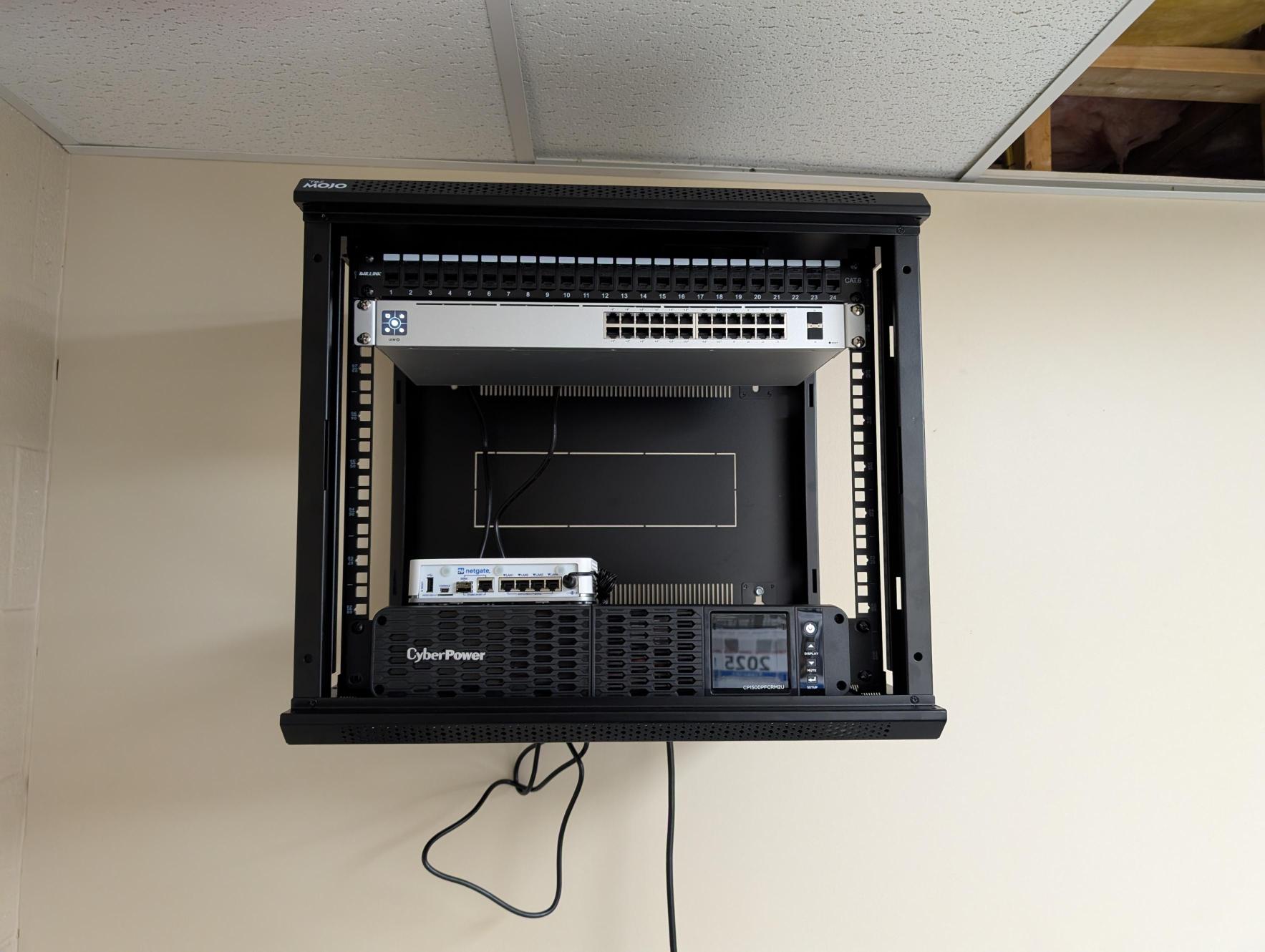
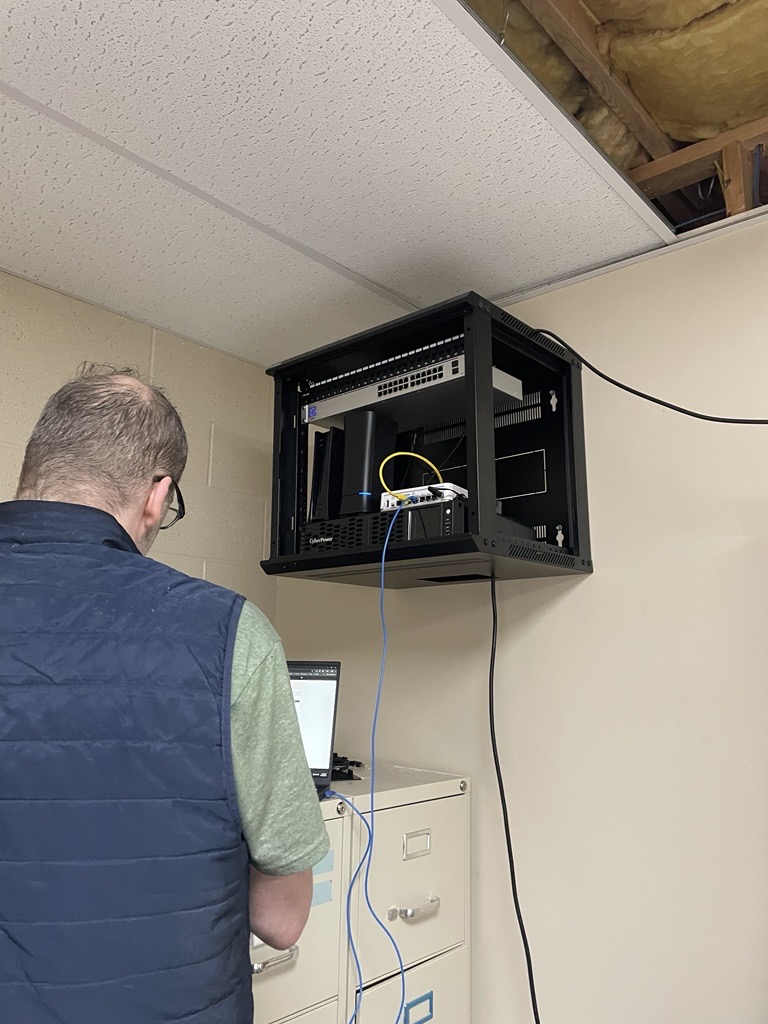
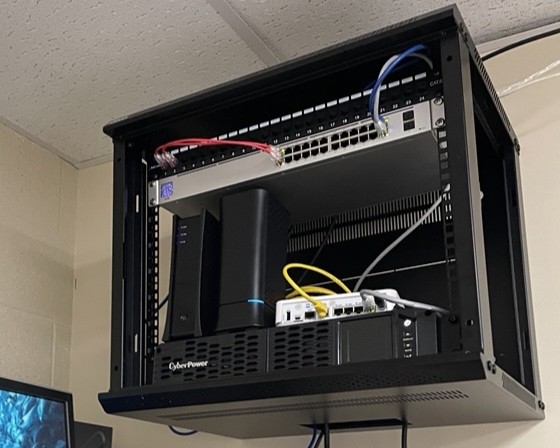
Sometimes the most important network upgrades aren't the ones employees immediately notice. They're the ones happening behind the scenes that make the entire business network more reliable, easier to manage, and ready for future growth.
For this project, our team spent several hours reorganizing and upgrading the core of a client's network infrastructure. While we've recently shared updates from another network project, this was a completely separate business with its own unique needs. We recently came across the project photos and thought it was too good not to share.
One of the biggest improvements was installing a dedicated network rack to give the client's networking equipment a permanent, organized home. We relocated the Spectrum modem and router into the rack, cleaned up years of accumulated cabling, and reorganized the network connections so everything was easier to identify, access, and troubleshoot.
With the infrastructure cleaned up, we replaced the existing SonicWall firewall with a Netgate SG-2100 firewall and installed a Ubiquiti USW-24 PoE switch. We also added a UPS battery backup and surge protection to help keep critical networking equipment protected from power interruptions and electrical surges.
Projects like this are about much more than replacing hardware. They're about creating a network that's easier to support, easier to expand, and easier to troubleshoot when the unexpected happens.
As with many business networks, we also identified opportunities for future improvements. At the time, the client still had a daisy-chained switch in another office that would eventually benefit from direct network runs back to the rack. We also recommended replacing the ISP-provided wireless equipment with a dedicated business-grade wireless access point and evaluating additional Power over Ethernet needs as the network continued to grow.
One of the things we enjoy most about projects like this is seeing the transformation. A clean, organized network rack doesn't just look better. It creates a stronger foundation for the business by making future upgrades faster, troubleshooting simpler, and ongoing maintenance much more efficient.
Good networks don't happen by accident. They're built with thoughtful planning, quality equipment, and attention to the details that keep businesses running smoothly every day.


